
Perfect Windability: Optimized HF Litz Wires for Toroidal Transformers
A customized HF litz wire was developed for a manufacturer of PV and wind power inverters, combining mechanical stability, high fill factor, and fast series production.
The Challenge
In modern inverters for photovoltaic and wind power systems, toroidal transformers and chokes are central components for high efficiency and grid quality. The compact design and closed core place special demands on the winding technology.
In the project, it was found that standard litz wires caused problems when threading through the core hole: they tended to unravel ("bird-caging effect"), ovalized under tensile stress, and led to damage to the enamel insulation. To overcome these challenges, the litz wire was iteratively adapted.
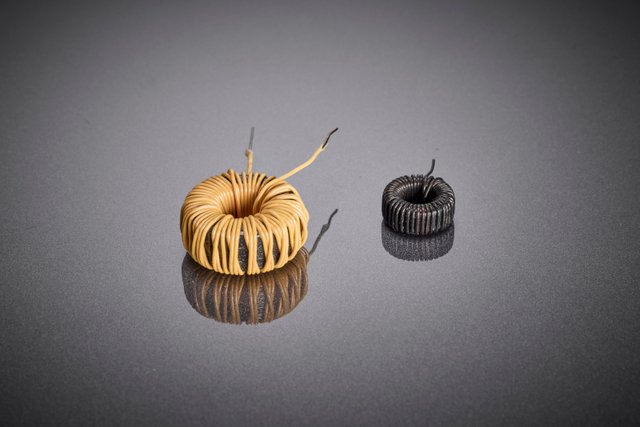
The adapted litz wire geometry and covering ensure stable guidance through the toroidal core, providing the basis for a reliable winding process with high packing density.
Solution Strategy
This included the targeted variation of lay length and lay direction, which increased internal stability and maintained the shape even at tight radii. The individual wire diameter was chosen to be mechanically robust, but at the same time minimized the skin effect. A thin textile covering with silk additionally protected the litz wire from abrasion. Various samples were tested to find the optimal compromise between copper fill factor, friction behavior in the winding machine, and installation space.
Result
The final litz wire reliably prevented unraveling during winding and protected the insulation from damage. This allowed the customer to increase the process speed on their toroidal core winding machines while achieving a consistently high fill factor.
RUPATEX® class B
With integrated triple insulation, this wire enables the efficient construction of safety transformers without additional layer insulation. It meets the highest safety standards while offering a compact design and easy processing.
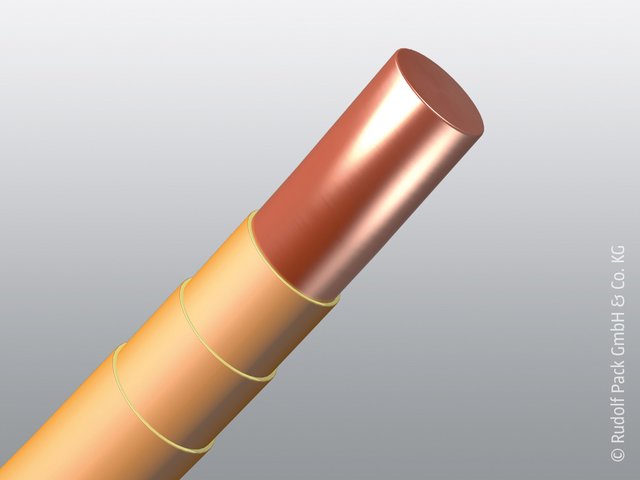
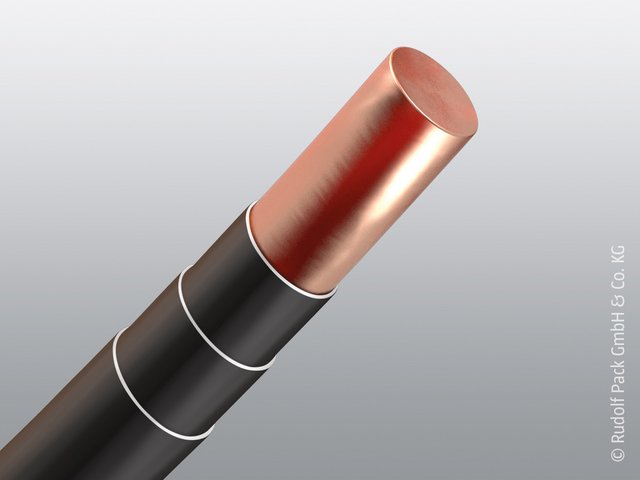
RUPATEX® class F
This further development for higher thermal requirements enables safety-relevant designs in Class F (TI 155 °C). Achieve higher power densities and temperature reserves in industrial and drive technology with the usual ease of processing.
Technical questions deserve precise answers.
Would you like to coordinate specifications or request a sample production? Our specialist departments will advise you directly – competently, bindingly, and reliably.

Product Manager

Internal sales team