
The Interface of Efficiency: Process-Reliable Contacting of HF Litz Wires
In modern power electronics, nuances often determine the efficiency of your passive component. Particularly, the contacting of high-frequency litz wires presents developers with a complex task, as every single, enamel-insulated wire must be reliably electrically connected. A faulty connection inevitably leads to increased contact resistance and thermal hotspots in the system.
At PACK LitzWire, we know that the quality of your application depends significantly on the physical interface between the litz wire and the connection element. Whether tinning, hot crimping, or innovative welding processes – the choice of process influences the long-term reproducibility of your series. As an owner-managed specialist, we accompany your projects from the initial design to manufacturing implementation. In doing so, we consider not only the litz wire structure but the integrity of the entire current path. Discover proven methods and a groundbreaking new technology for loss minimization. We show you how to translate technical barriers into measurable performance advantages.
The Challenge
The technical complexity of an HF litz wire is revealed within its internal structure: A multitude of ultra-fine, insulated single strands must be terminated simultaneously and completely to ensure optimal current distribution. If individual strands remain insulated, current density increases in the remaining cross-sections, negatively impacting the calculated power loss.
For industrial assembly, mechanical-thermal processes such as hot crimping have established themselves as a reliable standard. In this process, the insulation is broken through targeted energy input and simultaneous compression in the connection element to create a stable material bond. This method offers high reproducibility but requires precise coordination of tool geometry and process parameters with the respective litz wire structure.
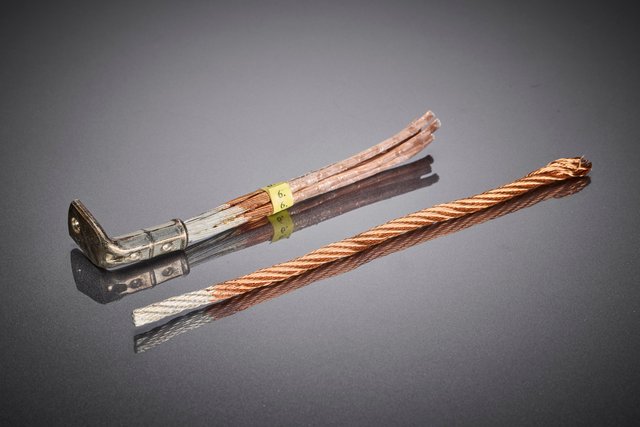
Comparison of different contacting designs of a RUPALIT HF litz wire – from the exposed litz wire cross-section to the integrated connection solution. The precise processing of all single strands forms the basis for a low-loss and permanently stable electrical connection.
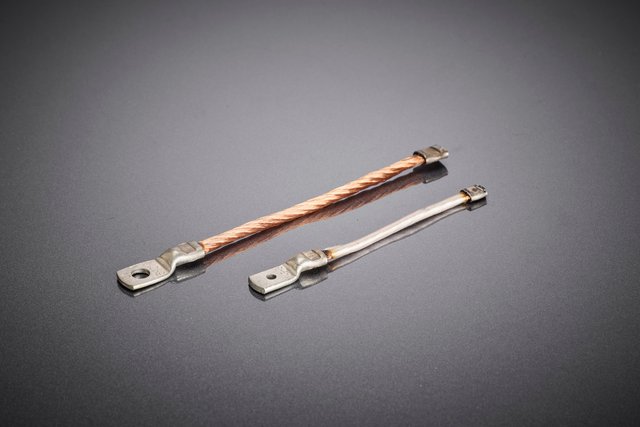
Comparison of assembled HF litz wires for different current ranges – from flexible high-current versions to more compact variants. The adapted connection technology ensures homogeneous, resilient, and low-loss contacting across the entire cross-section.
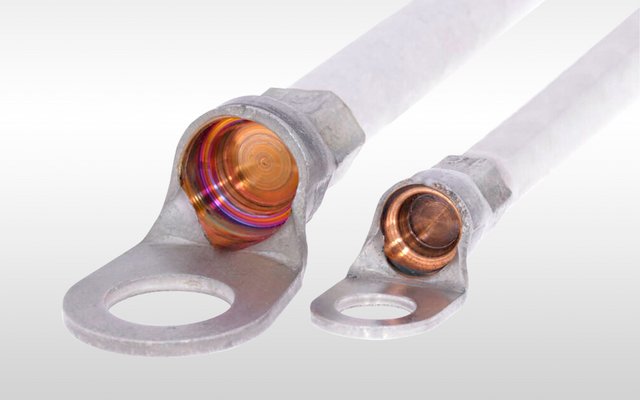
In friction welding technology, no auxiliary joining materials such as tin are required. Films or yarns do not need to be removed beforehand.
Solution Strategy
Where conventional methods reach physical limits, friction welding technology opens up entirely new potential for power electronics. This specialized technique enables a molecular bond between the copper wires and the terminal, achieving unprecedented contact resistance levels. Without the use of fillers or additives, contact points are created that guarantee maximum longevity even under extreme conditions.
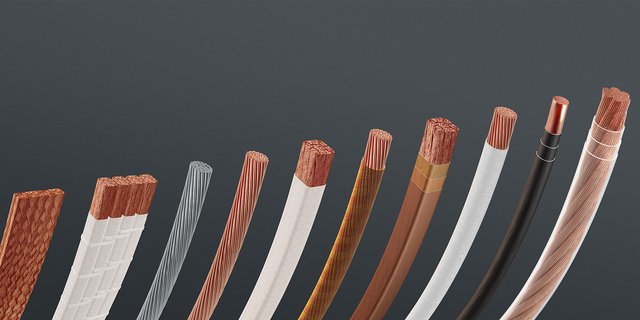
Technical questions deserve precise answers.
Would you like to coordinate specifications or request a sample production? Our specialist departments will advise you directly – competently, bindingly, and reliably.

Product Manager

Internal sales team